Essential Services Offered by Arborists: Protecting Your Trees and Landscape
Arborists serve a crucial purpose in maintaining the health of trees and improving landscapes. Their skill set includes a range of essential services, from establishing trees and detecting ailments to effective pruning and pest management. These experts not only improve the aesthetic appeal of properties but also contribute to broader environmental goals. Exploring the distinct techniques and approaches utilized by arborists reveals how they preserve our natural environments and ensure the longevity of tree populations. What difficulties arise in the course of their professional responsibilities?
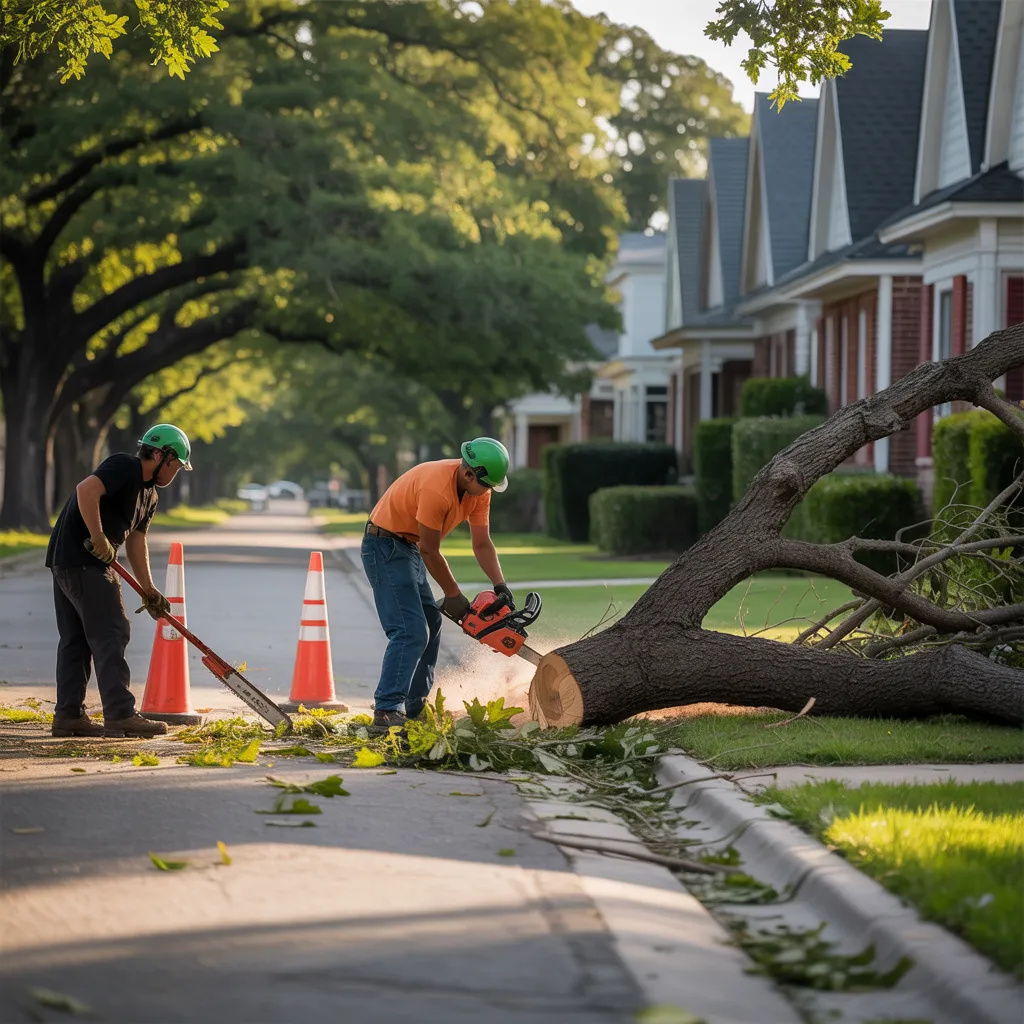
The Essential Role of Arborists in Tree Care
Arborists play an essential role in the health and maintenance of trees, ensuring their vigor and longevity. These skilled experts carry a thorough understanding of tree biology and ecology, allowing them to assess the condition of trees accurately. They recognize diseases, pests, and ecological stressors that may endanger tree health. Arborists also provide essential services such as establishing new trees, assessing problems, and advising on treatments tailored to specific species and locations.
In addition, they inform property owners about correct tree maintenance methods and the significance of maintaining healthy trees in the outdoor space. Arborists regularly partner with municipal authorities and community groups to advance city forestry programs, strengthening biodiversity and elevating air purity. Their skill not only adds to the visual appeal of domestic and commercial landscapes but also plays a significant role in ecological preservation. Ultimately, arborists are key defenders of our trees, fostering a balanced connection between the natural world and city growth.
Methods for Successful Tree Pruning
Successful tree pruning requires understanding various methods and knowing the ideal timing for each technique. Distinct pruning approaches address specific goals, from enhancing growth to maintaining tree health. Timing is critical, as the appropriate season can significantly influence how a tree responds to pruning.
Types Of Pruning Methods
Trimming trees necessitates a well-planned strategy to promote strong growth and attractive appearance. Multiple pruning approaches address unique goals, each suited to individual scenarios. Thinning entails the deliberate removal of branches to boost sunlight access and ventilation, encouraging comprehensive tree wellness. Crown reduction, on the other hand, shortens the height and spread of a tree while maintaining its natural shape, commonly applied to lessen dangers from powerful gusts. Deadheading centers on cutting away withered flowers or deceased branches, stimulating fresh growth and extending flowering seasons. Ultimately, rejuvenation pruning is carried out on overgrown shrubs, encouraging fresh growth by cutting back old wood. Comprehending these techniques enables arborists to skillfully oversee tree wellness and guarantee a visually appealing landscape.
Best Timing For Pruning
When should trees be pruned for the best health and growth results? Experts in tree care advise pruning during late winter or early spring, immediately prior to the onset of new growth. Such timing reduces stress on the tree while decreasing the likelihood of disease. It allows for better healing as the tree enters its active growth phase. Certain species may also benefit from summer pruning to manage size or remove dead wood. Nevertheless, pruning in fall is typically not recommended, as it may leave trees vulnerable to winter damage. Understanding the specific needs of each tree species is essential for peak results. By sticking to these principles, arborists help ensure trees remain robust and flourishing throughout their entire lifecycle.
How Arborists Manage Tree Diseases and Pests
Professional arborists actively monitor and control diseases and pest infestations in trees to secure the health and longevity of urban and rural trees. Their process starts with performing detailed examinations to uncover early signs of infestations and infections. Utilizing their expertise, arborists determine the nature and scope of the concern, which helps in determining the best available treatment solutions.
Incorporating IPM strategies, they merge biological, cultural, and chemical controls to minimize the effect on the environment. This thorough technique can include deploying helpful insects, applying organic treatments, or applying targeted pesticides as needed.
Furthermore, tree care professionals guide landowners on proactive strategies, such as proper watering and pruning techniques, to enhance tree resilience. Consistent care and oversight confirm that emerging problems are dealt with swiftly, consistently protecting the visual and environmental worth of the trees in both urban and suburban areas.
Warning Signs That You Need Emergency Tree Removal?
Tree health may degrade swiftly, creating scenarios where urgent action becomes essential. Signs indicating a need for emergency tree removal include apparent splits or fissures in the trunk, which weaken the overall structural integrity. Furthermore, significant branches or the whole tree tilting at an abnormal angle can signal instability, most notably after extreme weather events. Dead or decaying branches, frequently marked by the presence of fungal growth, suggest the tree is beyond recovery.
Another important indicator is the presence of significant root deterioration, which can cause additional instability to the tree. If a tree is positioned near power lines or structures, these indicators can present immediate safety hazards. Professional arborists suggest prompt assessment and action when these signs are observed, as neglecting them can result in dangerous conditions for both surrounding property and people. Regular inspections can help in identifying these issues before they develop into critical situations.
Expert Tips for Planting New Trees
When introducing new trees choosing the right species is crucial to ensure sustained health and vitality. Additionally, proper soil conditions have a major impact in a tree's overall growth. Recognizing these elements can greatly enhance the results of any planting project.
Finding The Ideal Species
Choosing the right type of tree is important for achieving a healthy landscape, as distinct types present distinct benefits and challenges. Aspects such as soil type, climate, and available space have a significant impact in the selection process. For instance, indigenous varieties frequently demand less care and are more suited to surrounding ecosystems, encouraging ecological balance. Moreover, considerations like disease resistance, growth rate, and mature size can influence the selection. Property owners should also think about the visual appeal and year-round character of the plantings, verifying they suit the existing landscape. Working with a certified arborist can deliver professional recommendations, assisting in identifying varieties that suit both personal preferences and environmental conditions, ultimately fostering a thriving and eco-friendly landscape.
Ensuring Proper Soil Conditions
Conditioning the soil is vital for the proper development of new trees. Tree care specialists emphasize the importance of evaluating soil quality before planting. This requires testing pH levels and ensuring proper drainage to develop an ideal environment for root growth. Improving the soil with organic matter can increase nutrient availability and refine structure. Additionally, the soil should be adequately porous to allow roots to penetrate easily, yet sufficiently compact to ensure anchorage.
Tree experts suggest digging a hole that is at least twice the width of the root ball to encourage outward root growth. Applying mulch around the tree's base assists in locking in moisture and stabilizing temperature, further supporting healthy growth. Proper soil conditions lay the groundwork for thriving trees and vibrant landscapes.
The Critical Role of Routine Tree Maintenance and Inspections
Regular tree maintenance and inspections are essential for guaranteeing the vitality and protection of trees and adjacent properties. Certified arborists play an important role in recognizing potential concerns, including disease, pest invasions, and structural vulnerabilities. Routine evaluations enable prompt interventions, which can avert expensive damage and preserve the lifespan of trees.
Moreover, scheduled maintenance, encompassing trimming and nutrient treatment, fosters robust growth and boosts the overall appearance of green spaces. Assessments assist in detecting trees that could present dangers to surrounding buildings or individuals, permitting precautionary efforts to address and eliminate threats.
Moreover, tree maintenance provides environmental advantages, such as improved air quality and wildlife habitat. Through consistent maintenance and routine inspections, property owners can preserve their assets and support a vibrant ecosystem. At the core of it all, the experience of professional arborists assures that trees grow and prosper rather than simply endure, enriching the overall beauty and protection of the landscape.
Questions Our Customers Often Ask
Which Certifications Are Important to Look for in an Arborist?
When hiring an arborist, it is important to seek qualifications such as state-specific licenses, ISA (International Society of Arboriculture), and TCIA (Tree Care Industry Association) certifications, verifying their knowledge and skill in tree care and management.
How Often Should I Schedule Tree Inspections?
Tree inspections are recommended annually, or biannually for high-risk species or locations. Consistent assessments help uncover potential concerns early, ensuring trees remain healthy and safe while promoting overall landscape robustness and aesthetic appeal.
Are Arborists Able to Assist With Landscaping Design?
Absolutely, tree care specialists can contribute to landscape development by evaluating tree vitality, recommending ideal tree types, and guaranteeing appropriate location. Their expertise improves overall appearance while supporting environmental harmony, ultimately contributing to a environmentally sound and visually stunning garden see guide space.
What Is the Best Time for Tree Planting?
The ideal period for tree planting falls within early spring or fall. Such seasons deliver favorable soil temperatures and moisture levels, supporting robust root establishment and securing enhanced growth throughout the upcoming warmer months.
How Do Weather Conditions Affect Tree Care Services?
Meteorological factors heavily impact tree health management. Rainfall, temperature fluctuations, and wind conditions may affect service scheduling, pest management, and soil conditions, necessitating adjustments in techniques and timing to guarantee ideal tree health and growth.